Carboxymethylcellulose Sodium (CMC-Na) | Pharmaceutical & Food Grade

- Wonsen
- China
- 30 days
- Always supply
Carboxymethylcellulose Sodium (CMC-Na) is a water-soluble cellulose derivative used as a thickener, stabilizer, binder, and viscosity modifier in pharmaceutical, food, and industrial applications.
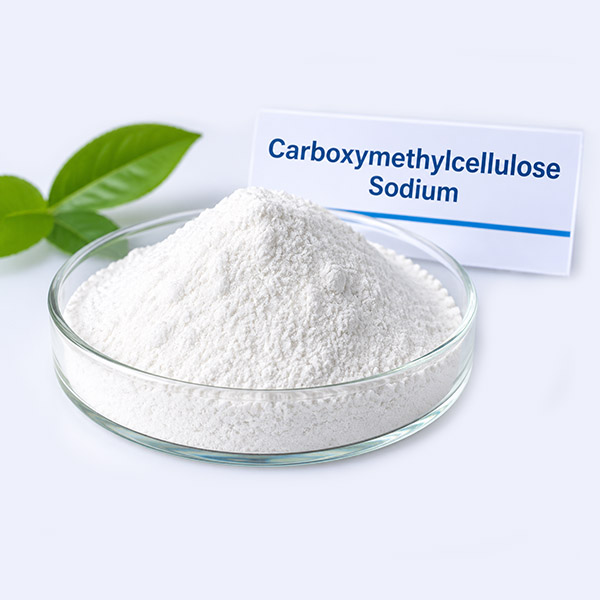
Carboxymethylcellulose Sodium (CMC-Na)
Product Overview
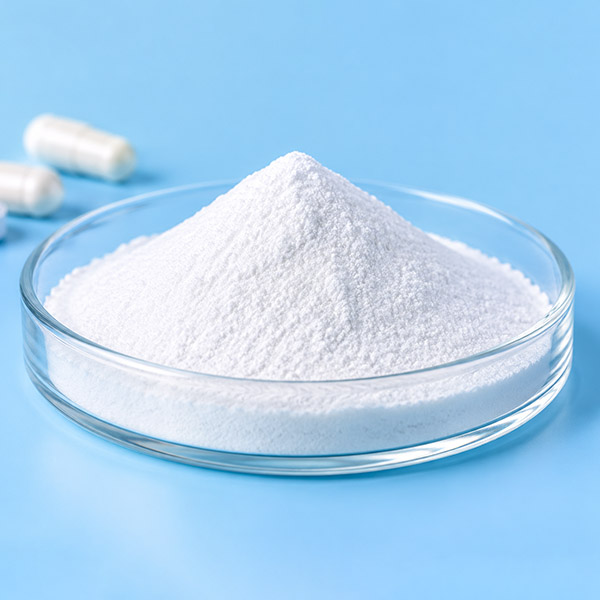
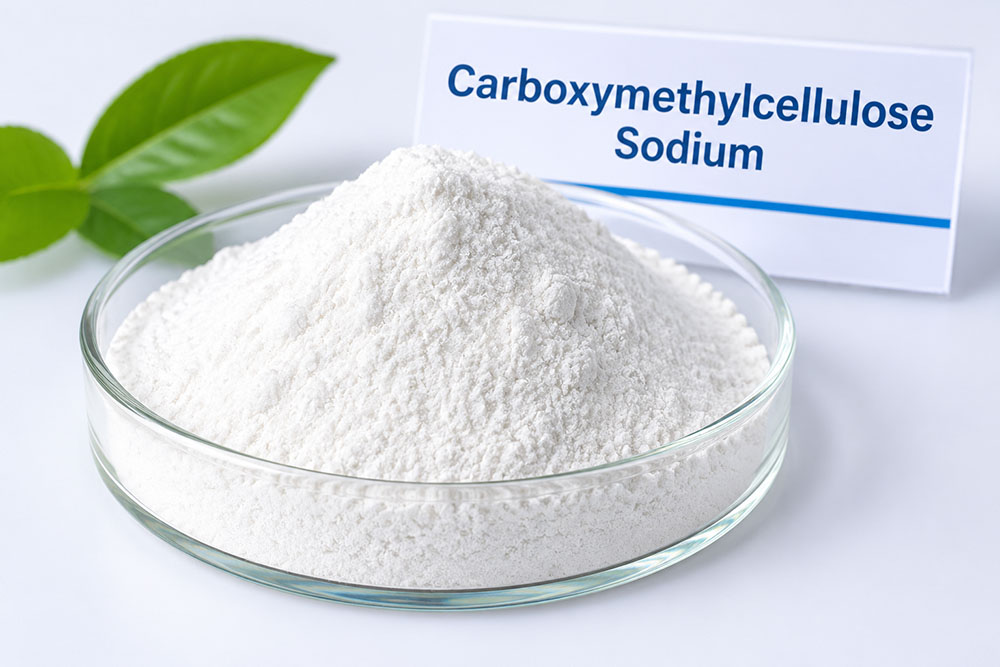
Carboxymethylcellulose Sodium (CMC-Na), also known as Sodium Carboxymethyl Cellulose, is a water-soluble cellulose derivative widely used in pharmaceutical, food, cosmetic, and industrial applications.
It is valued for its excellent thickening, stabilizing, binding, and water-retention properties. As a versatile functional ingredient, CMC-Na helps improve product consistency, control viscosity, and enhance formulation stability.
Available in different grades and viscosity levels, Carboxymethylcellulose Sodium can meet various formulation and processing requirements.
Key Features and Benefits
Excellent Thickening Ability: Helps increase viscosity and improve formulation consistency.
Water Solubility: Dissolves in water to form solutions with adjustable viscosity.
Stabilizing Properties: Helps maintain uniformity and reduce ingredient separation in suitable formulations.
Binding Performance: Functions as a binder in various pharmaceutical and industrial applications.
Versatile Applications: Suitable for pharmaceutical, food, cosmetic, and other industrial formulations, depending on product grade.
Applications of Carboxymethylcellulose Sodium
1. Pharmaceutical Industry
Carboxymethylcellulose Sodium is used as a pharmaceutical excipient in selected formulations. It can function as a binder, thickening agent, stabilizer, and viscosity modifier. Certain grades are also used in ophthalmic preparations and other specialized pharmaceutical products.
2. Food Industry
Food-grade CMC-Na is commonly used as a thickener, stabilizer, and texture modifier. It helps improve texture, consistency, and stability in various food products.
3. Cosmetics and Personal Care
CMC-Na can be used in creams, lotions, toothpaste, and other personal care products to improve viscosity, texture, and formulation stability.
4. Industrial Applications
It is also used in detergents, paper manufacturing, textile processing, ceramics, and other industrial applications where thickening, binding, or water-retention properties are required.
Product Summary
Carboxymethylcellulose Sodium (CMC-Na) is a multifunctional cellulose derivative with applications across several industries. Its thickening, stabilizing, and binding properties make it a valuable ingredient for pharmaceutical excipients, food additives, cosmetics, and industrial formulations.
Contact us to learn more about available grades, specifications, and application requirements.
Item | USP | CP |
Identification | Conforms | |
Assay(Na) (%) | 6.5-9.5 | |
Viscosity(mPa.s) | <2% concentration 75%-140% ≥2% concentration 80%-120% (Rotational type of viscometer,2%,25℃) | 75-140% (Viscosimeter of Brookfield type LV Model or equivalent,25℃) |
pH | 6.5-8.5 | 6.5-8.0 |
Clarity & colour of solution | —— | Conforms |
Loss on drying (%) | ≤10.0 | |
Chloride(%) | —— | ≤0.25 |
Sulfate (%) | —— | ≤0.5 |
Silicate (%) | —— | ≤0.5 |
Iron (%) | —— | ≤0.016 |
Arsenic (%) | —— | ≤0.0003 |
Sodium glycolate (%) | —— | ≤0.4 |
Heavy metal (%) | —— | ≤0.001 |
Microbial limits | Conforms | |
Cas No.: 9004-32-4 HS Code: 39123100
Main Purpose:Tablet binders and disintegrants.
Package: 25kg/kraft bag
Packing Size: 2.2cbm/mt
G.W.: 25.2kg
FAQs
Q1: What is Carboxymethylcellulose Sodium (CMC-Na)?
Carboxymethylcellulose Sodium is a water-soluble cellulose derivative produced by chemically modifying cellulose. It is widely used as a thickener, stabilizer, binder, and viscosity modifier in pharmaceutical, food, cosmetic, and industrial applications.
Q2: What are the main functions of Carboxymethylcellulose Sodium?
Its main functions include thickening, stabilizing, binding, water retention, and viscosity control. These properties make it useful in various formulations and manufacturing processes.
Q3: Is Carboxymethylcellulose Sodium soluble in water?
Yes. CMC-Na is generally water-soluble and can form viscous aqueous solutions. Its dissolution behavior and resulting viscosity depend on factors such as molecular characteristics, substitution degree, concentration, and processing conditions.
Q4: What is Carboxymethylcellulose Sodium used for in the pharmaceutical industry?
In pharmaceutical manufacturing, CMC-Na can serve as a binder, thickening agent, stabilizer, and viscosity modifier. Certain grades are also used in ophthalmic and other specialized pharmaceutical formulations.
Q5: Is Carboxymethylcellulose Sodium used in food products?
Yes. Food-grade CMC-Na is commonly used as a thickener, stabilizer, and texture modifier in products such as beverages, sauces, dairy products, and baked goods, subject to applicable food regulations.
Q6: What is the difference between pharmaceutical-grade and food-grade CMC-Na?
The main differences relate to applicable quality standards, purity requirements, impurity limits, testing methods, and intended applications. The appropriate grade should be selected according to the relevant industry regulations and product specifications.
Q7: What factors affect the viscosity of Carboxymethylcellulose Sodium?
Viscosity is influenced by molecular weight, degree of substitution, concentration, temperature, pH, and the preparation method. Different grades are available to meet different viscosity requirements.
Q8: How should Carboxymethylcellulose Sodium be stored?
It should generally be stored in a tightly sealed container in a cool, dry, and well-ventilated place, protected from moisture and contamination. Always follow the supplier's storage recommendations and product safety documentation.
Q9: How do I choose the right grade of Carboxymethylcellulose Sodium?
The selection depends on the intended application, required viscosity, purity, degree of substitution, solubility, and applicable regulatory standards. Consult the technical specifications before selecting a suitable grade.
Q10: Where can I obtain Carboxymethylcellulose Sodium product specifications?
You can contact the supplier to request detailed product specifications, technical data sheets (TDS), certificates of analysis (COA), and other relevant quality documents.