Hypromellose Phthalate (HPMCP) | Pharmaceutical Excipient

- Wonsen
- China
- 30 days
- Always supply
Hypromellose Phthalate (HPMCP) is a pharmaceutical excipient widely used in enteric coating and controlled drug release formulations. Explore its applications in pharmaceutical manufacturing.
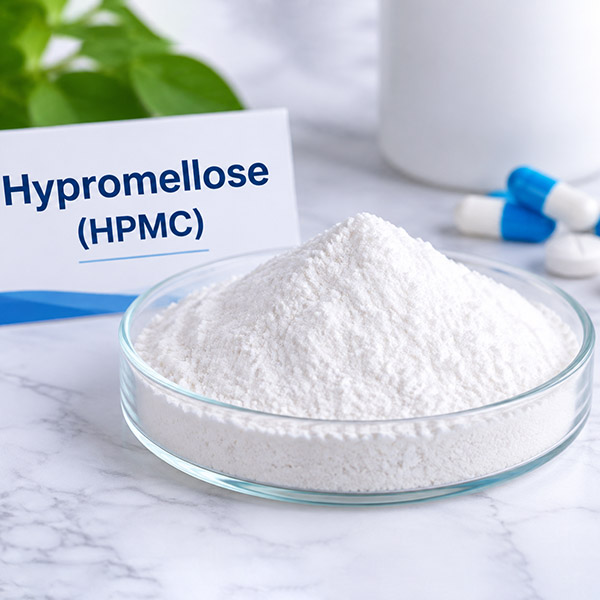
Hypromellose Phthalate (HPMCP)
Hypromellose Phthalate (HPMCP), also known as Hydroxypropyl Methylcellulose Phthalate, is a cellulose-derived pharmaceutical excipient widely used in enteric coating formulations.
HPMCP is a pH-sensitive polymer that provides excellent enteric coating properties. It helps protect active pharmaceutical ingredients (APIs) from acidic conditions in the stomach and supports drug release at higher pH levels in the intestinal environment.
As an important pharmaceutical coating material, HPMCP is commonly used in tablets, capsules, granules, and other oral solid dosage forms.
Key Applications
Enteric film coating for tablets and capsules
pH-dependent drug release formulations
Pharmaceutical granule coating
Taste masking in oral dosage forms
Solid dispersion formulations to support drug solubility enhancement
HPMCP is an important functional polymer for pharmaceutical manufacturers developing enteric-coated and delayed-release products.
Item | USP/BP/EP | CP |
Identification | Conforms | |
Viscosity (mPa.s) | 80%-120% | |
Water(%) | ≤5.0 | ≤5.0 |
Residue on ignition (%) | ≤0.20 | ≤0.2 |
Chloride and Sulfate (%) | ≤0.07 | ≤0.07 |
Free Phthalic Acid (%) | ≤1.0 | ≤1.0 |
Phthaloyl groups (%) | 21.0-35.0 | |
Heavy metal (%) | —— | ≤0.001 |
Arsenic(%) | —— | ≤0.0002 |
Microbial limits | Conforms | |
Cas No.: 9050-31-1 HS Code: 39129000
Main Purpose: Enteric coating material.
Package: 25kg/fiber drum
Packing Size: D46cm*H52cm
GW: 29kg
FAQ About Hypromellose Phthalate (HPMCP)
Q1: What is Hypromellose Phthalate (HPMCP)?
Hypromellose Phthalate (HPMCP) is a cellulose-based pharmaceutical polymer primarily used as an enteric coating agent. It helps protect oral dosage forms from gastric acid and enables pH-dependent drug release.
Q2: What is the main application of HPMCP in pharmaceutical manufacturing?
HPMCP is mainly used for enteric film coating of tablets, capsules, and granules. It is also used in taste masking, solid dispersion systems, and pH-dependent drug release formulations.
Q3: How does Hypromellose Phthalate work as an enteric coating agent?
HPMCP remains insoluble under acidic gastric conditions and dissolves when the surrounding pH reaches the polymer's specified dissolution threshold. This helps delay drug release until the dosage form reaches a higher-pH environment in the gastrointestinal tract.
Q4: What is the difference between HPMCP HP-50 and HP-55?
HP-50 and HP-55 are different grades of Hypromellose Phthalate with different pH-dependent dissolution characteristics. HP-50 generally dissolves at pH 5.0 or above, while HP-55 generally dissolves at pH 5.5 or above. The appropriate grade depends on the formulation and desired drug release profile.
Q5: Can HPMCP be used for tablet and capsule coating?
Yes. HPMCP is widely used for enteric coating of tablets and capsules. It can also be applied to granules and other solid dosage forms.
Q6: Is HPMCP suitable for delayed-release formulations?
Yes. HPMCP is suitable for pH-dependent delayed-release formulations because its dissolution behavior changes according to the surrounding pH.
Q7: Can HPMCP improve the solubility of poorly water-soluble drugs?
HPMCP can be used as a polymer carrier in solid dispersion formulations, which may help improve the apparent solubility and dissolution performance of certain poorly water-soluble active pharmaceutical ingredients.
Q8: What factors should be considered when selecting HPMCP?
Important factors include the required dissolution pH, polymer grade, viscosity, film-forming properties, API compatibility, coating process, and target drug release profile.
Q9: Is Hypromellose Phthalate used in the food industry?
HPMCP is primarily recognized as a pharmaceutical excipient. Its use in food applications should be evaluated separately according to the applicable food regulations and approved specifications in the target market.
Q10: Where can pharmaceutical manufacturers source Hypromellose Phthalate?
Pharmaceutical manufacturers can source HPMCP from qualified pharmaceutical excipient suppliers. Before purchasing, buyers should evaluate product specifications, quality documentation, applicable pharmacopeial standards, and batch consistency.