Glyceryl Monostearate (GMS) | CAS 31566-31-1 | Pharmaceutical & Food Grade Emulsifier

- Wonsen
- China
- 60 days
- Always Available
Glyceryl Monostearate (GMS, CAS 31566-31-1) is a versatile emulsifier, stabilizer, and lubricant widely used in pharmaceutical, food, cosmetic, and personal care applications. Available in high-quality powder or flake form, it provides excellent emulsifying performance, stability, and process efficiency for a wide range of formulations.
Glyceryl Monostearate
CDE Registration No.: F20200000199
CAS No.: 31566-31-1
Package: 1kg/bag, 5kg/carton, 20kg/drum
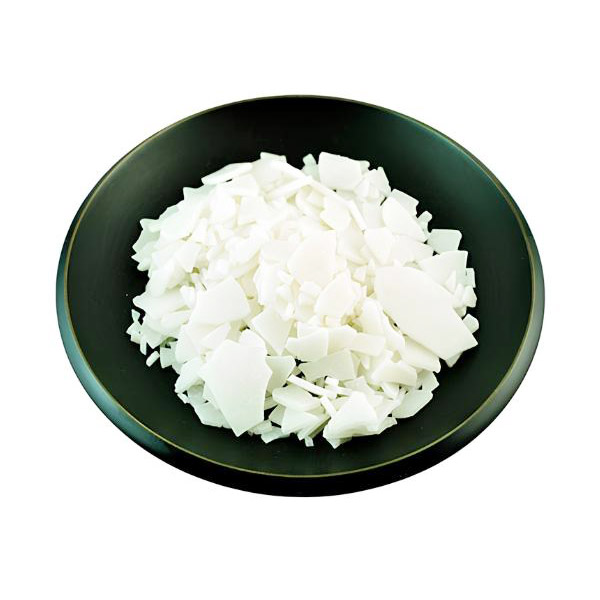
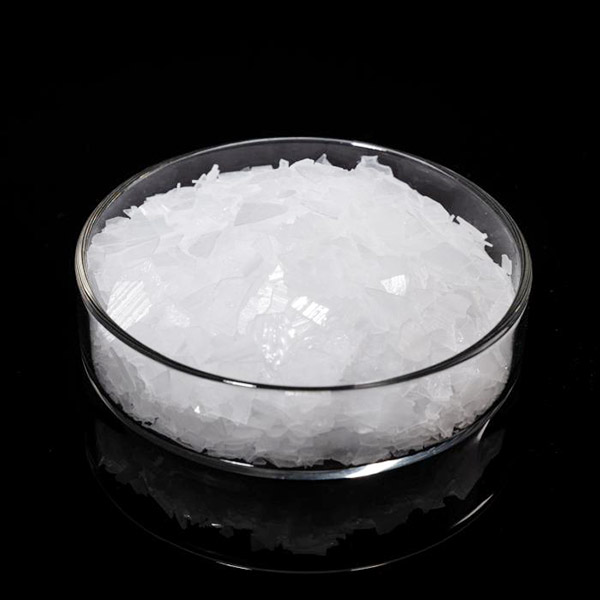
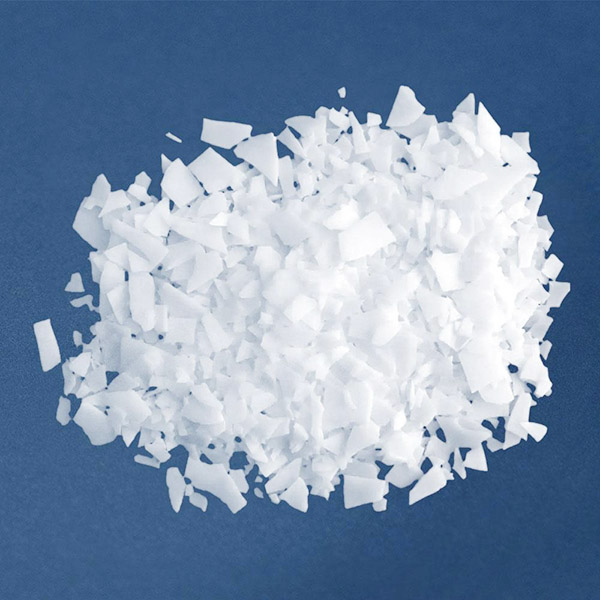
Appearance: Hard waxy lumpy or oily, white or quasi-white powder or flake solid;
Solubility: Almost insoluble in water, dissolved in ethanol at 60 ° C (96%).
Quality Standard: CP2020; USP43-NF38; EP10.0
Feature: Containing at least 90% monoglycerides, mainly monoglycerides (C21H42O4) and monoglycerides palmitate (C19H38O4).
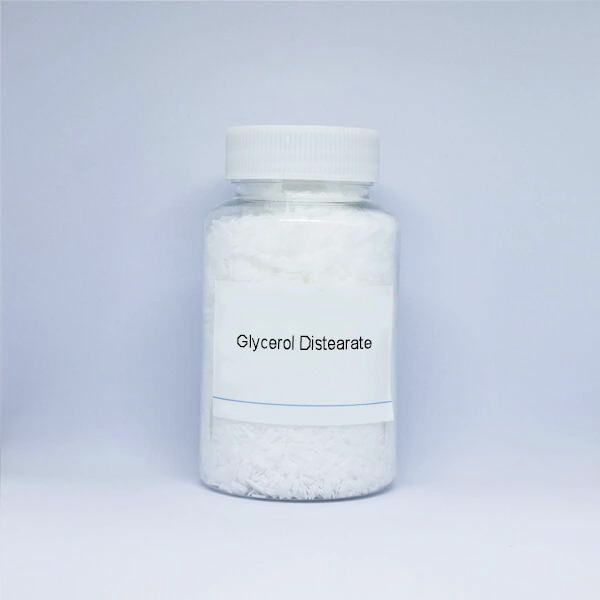
Glyceryl Mono-and Distearate
CDE Registration No.: F20200000334
Package: 1kg/bag, 5kg/carton, 20kg/drum
Appearance: White or quasi-white waxy granules or flakes.
Easily soluble in 60°C ethanol, almost insoluble in water.。
Quality Standard: CP2020; USP43-NF38; EP10.0
Feature: This product is mono -, di-, tri-stearic acid and palmitic acid mixed glycerol ester. It is prepared by esterification reaction between stearic acid and excess glycerol, or by alcoholysis reaction between hydrogenated vegetable oil and glycerol in the presence of catalyst.Contain monoglyceride 40.0% ~ 55.0%, diglyceride should be 30.0% ~ 45.0%, triglyceride should be 5.0% ~ 15.0%.
Application:
Sustained-release skeleton for enteric-coated tablets and capsules.
Emulsifier in ointments, food and cosmetics, such as canned food for pets.
Benefits:
■ A thickening agent and emulsifier commonly used in ointment.
■ Has been applied to the new hot melt pelletizing process to produce pellets and tablets.
■ Widely used in cosmetics, food and oral and topical preparations, generally considered non-toxic, non-irritating to the skin and mucous membrane.