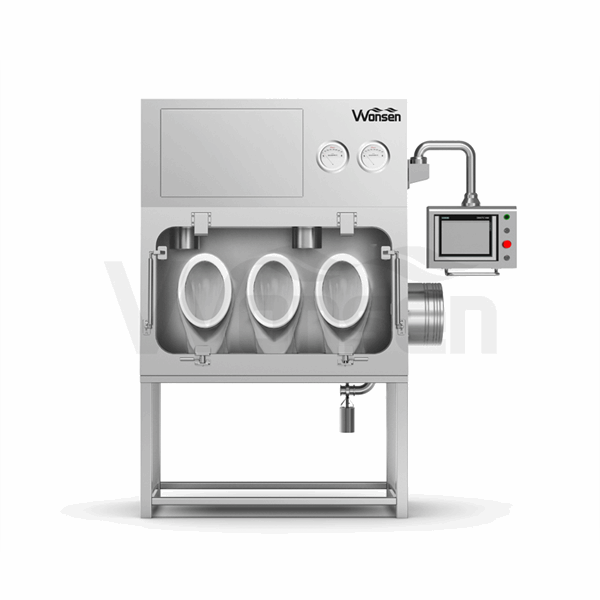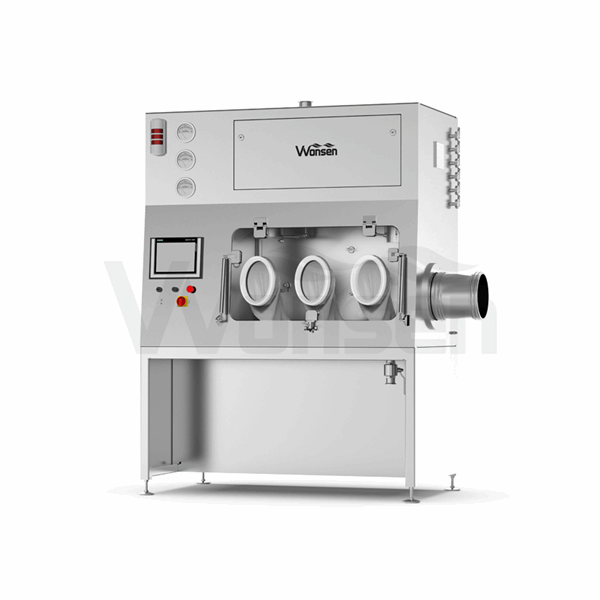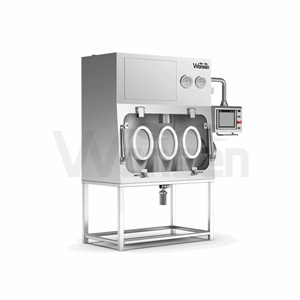
Negative Pressure Isolator | OEB4 & OEB5 Pharmaceutical Containment System

- Wonsen
- China
- 90 days
- Always supply
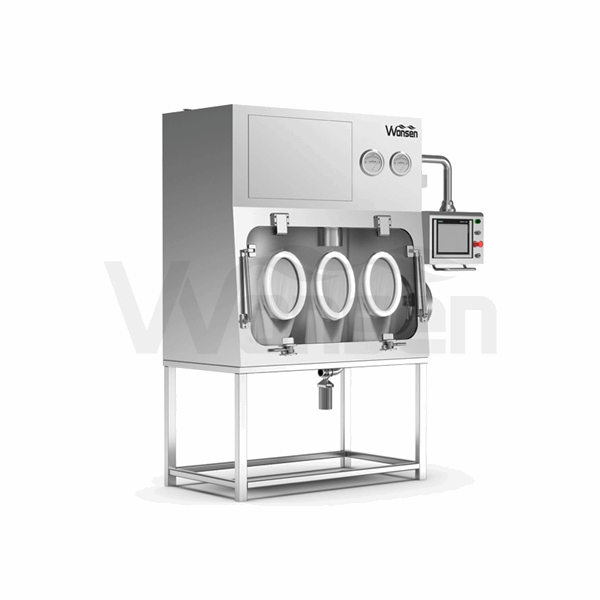
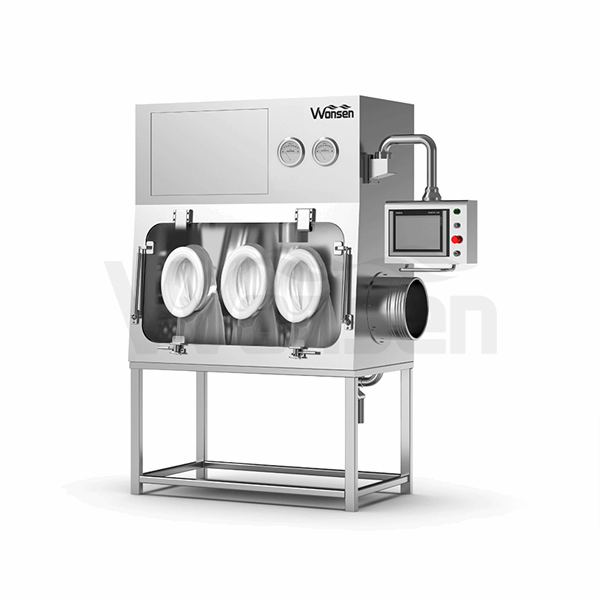
Wonsen Negative Pressure Isolator provides OEB4 and OEB5 containment solutions for handling highly potent pharmaceutical compounds. Features negative pressure control, H14 HEPA filtration and safe filter replacement.
Negative Pressure Isolator
Reliable Containment Solutions for High-Potency Pharmaceutical Manufacturing
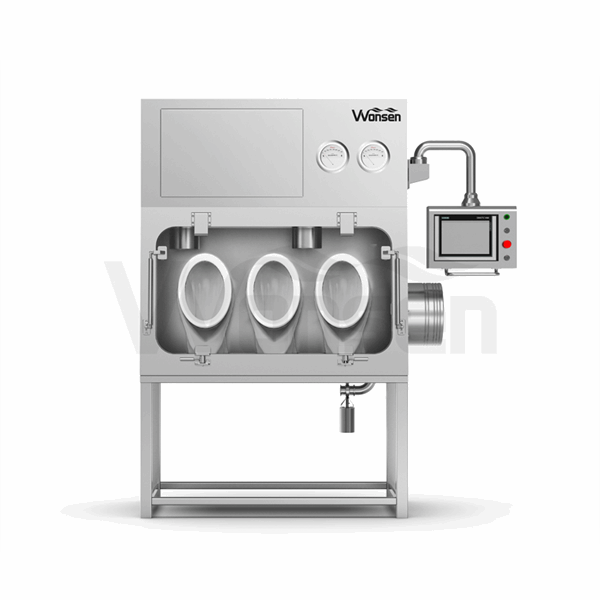
Wonsen Negative Pressure Isolator is designed for the safe handling of highly potent and toxic pharmaceutical materials. It provides a controlled containment environment for weighing, dispensing, packaging, ingredient preparation and pharmaceutical formulation processes.
Designed for high-containment applications, the system can achieve OEB 4 and OEB 5 protection levels, depending on the configuration and validation requirements. It helps minimize the risk of hazardous material exposure and cross-contamination, supporting safer pharmaceutical manufacturing operations.
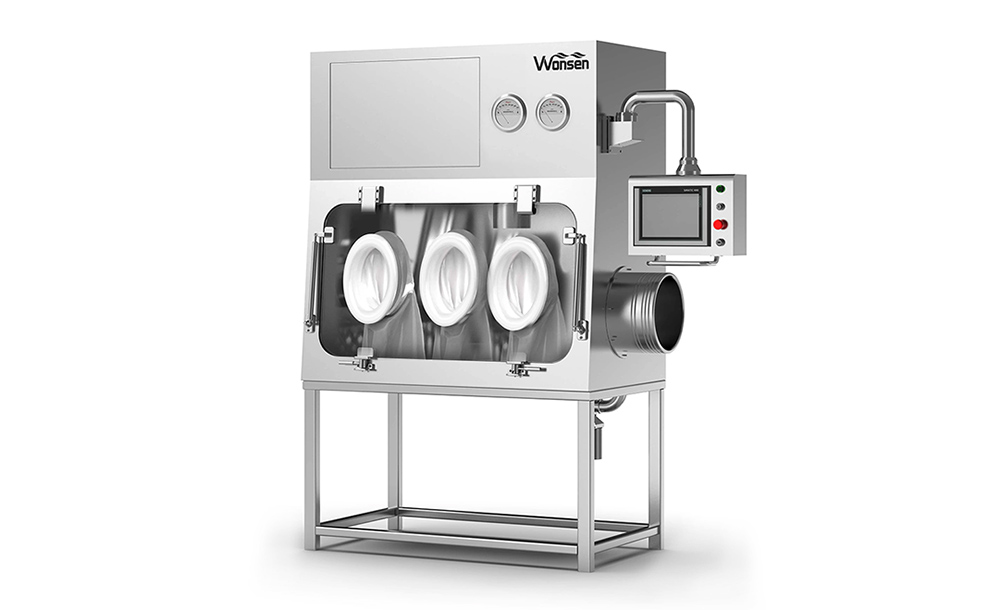
With stable negative pressure control, high-efficiency HEPA filtration and a hygienic stainless steel structure, Wonsen provides reliable containment solutions for pharmaceutical manufacturers handling high-potency active pharmaceutical ingredients (HPAPIs).
Key Features & Benefits
1. High-Level Containment Protection
Designed to achieve OEB 4 and OEB 5 protection levels, making it suitable for handling highly potent and toxic pharmaceutical compounds.
2. Stable Negative Pressure Control
Maintains a stable cabin negative pressure of -50 Pa to -150 Pa. A turbulent airflow design and an air exchange rate of more than 15 times per hour help remove airborne contaminants.
3. Hygienic SUS316L Stainless Steel Structure
The isolator chamber is constructed from SUS316L stainless steel. Internal surfaces are polished to achieve low surface roughness, with smooth R≥15 arc transitions to minimize cleaning dead corners and facilitate cleaning and disinfection.
4. H14 HEPA Filtration System
Both inlet and exhaust air systems are equipped with H14-grade HEPA filters to support effective air filtration and contamination control.
5. Safe Filter Replacement
Supports Push-Push and Bag-In-Bag-Out (BIBO) filter replacement methods, helping reduce operator exposure during filter maintenance.
6. Emergency Leakage Handling
Equipped with an emergency leakage handling system to provide additional safety support during operation.
Applications
Wonsen Negative Pressure Isolator is suitable for various high-containment pharmaceutical processes, including:
Weighing and dispensing of highly potent APIs
Pharmaceutical material packaging
Ingredient preparation and formulation
Anti-cancer drug manufacturing
High-potency hormone processing
Cytotoxic drug preparation
Handling of hazardous pharmaceutical compounds
Why Choose Wonsen?
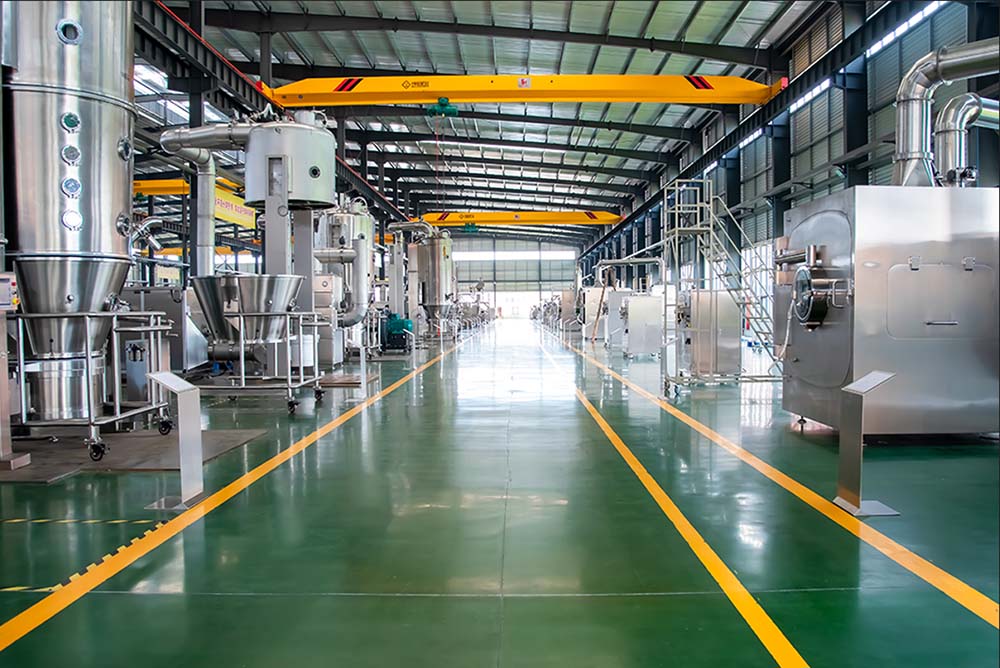
Wonsen specializes in the R&D, manufacturing, sales and service of pharmaceutical equipment and intelligent manufacturing systems.
We provide integrated solutions for solid dosage manufacturing, API processing, powder handling automation and digital pharmaceutical factories.
From individual containment equipment to complete OEB production lines, Wonsen helps pharmaceutical manufacturers build safer, more efficient and intelligent production environments.
FAQs About Negative Pressure Isolators
Q1: What is a negative pressure isolator?
A negative pressure isolator is a sealed containment system designed to handle hazardous, toxic or highly potent materials. It maintains lower air pressure inside the chamber than in the surrounding environment, helping prevent contaminants from escaping into the workplace.
Q2: What is a negative pressure isolator used for in pharmaceutical manufacturing?
It is used for weighing, dispensing, packaging, ingredient preparation and formulation of highly potent pharmaceutical materials, including anti-cancer drugs, cytotoxic compounds and high-potency hormones.
Q3: What OEB protection levels can Wonsen's negative pressure isolator achieve?
Wonsen's negative pressure isolator can achieve OEB 4 and OEB 5 protection levels, depending on the equipment configuration and project requirements. It is designed for pharmaceutical applications involving highly potent and toxic compounds.
Q4: Why is negative pressure important in an isolator?
Negative pressure helps prevent hazardous airborne particles from escaping from the containment chamber into the surrounding environment. It is an important engineering control for protecting operators and reducing the risk of cross-contamination.
Q5: What is the operating pressure range of Wonsen's negative pressure isolator?
The cabin maintains a stable negative pressure range of -50 Pa to -150 Pa to support effective containment during pharmaceutical operations.
Q6: What type of HEPA filter is used in the negative pressure isolator?
Wonsen's negative pressure isolator uses H14-grade HEPA filters in both the air inlet and exhaust systems to support high-efficiency air filtration.
Q7: What is a BIBO system in a pharmaceutical isolator?
BIBO stands for Bag-In-Bag-Out. It is a safe filter replacement method that allows contaminated filters to be removed and replaced within a sealed bag system, helping minimize operator exposure to hazardous substances.
Q8: What materials are used to manufacture the isolator chamber?
The chamber is made of SUS316L stainless steel. Its internal surfaces feature polished finishes and smooth arc transitions to minimize cleaning dead corners and facilitate cleaning and disinfection.
Q9: Can a negative pressure isolator be used for HPAPI handling?
Yes. Negative pressure isolators are widely used for handling highly potent active pharmaceutical ingredients (HPAPIs). They provide a controlled containment environment for operations such as weighing, dispensing and material transfer.
Q10: What is the difference between a negative pressure isolator and a sterile isolator?
A negative pressure isolator primarily focuses on containing hazardous materials and protecting operators and the surrounding environment. A sterile isolator focuses on maintaining an aseptic environment and protecting products from microbial contamination. The appropriate system depends on the pharmaceutical process and protection requirements.